
Space Toilets
The unsung heroes of space exploration

Space Toilets: The Unlikely Key to Long-Duration Space Missions
$1.2 billion. That's the estimated cost of the NASA Space Shuttle program's waste management system over its 30-year lifetime. While the Space Shuttle's toilet system was a marvel of engineering, its inefficiencies and complexities have become a major bottleneck for long-duration space missions. The average space shuttle toilet used 1.5 liters of water per flush, with a capacity of 20 gallons. Not to mention the elaborate system of air flow and liquid waste storage that required constant monitoring and maintenance. It's no wonder that NASA has now turned its attention to the development of a more reliable and efficient toilet system – one that can handle the unique challenges of microgravity environments.
The key takeaway: Space toilets are not just a nicety, but a necessity for long-duration space missions. A reliable and efficient toilet system is critical for sustaining human life in space.
For people who want to think better, not scroll more
Most people consume content. A few use it to gain clarity.
Get a curated set of ideas, insights, and breakdowns — that actually help you understand what’s going on.
No noise. No spam. Just signal.
One issue every Tuesday. No spam. Unsubscribe in one click.
The NASA Toilet System: A $23 Million Project
The NASA Space Shuttle program's toilet system, also known as the Universal Waste Management System (UWMS), is being replaced by a new system designed to handle the unique challenges of microgravity environments. The new system, also called UWMS, is a $23 million project that aims to develop a reliable and efficient toilet system for the International Space Station and future deep space missions. This new system uses advanced sensors and computer algorithms to optimize waste management, reducing water usage and minimizing the risk of system failures. The project is expected to be completed by 2025, with the goal of providing a seamless transition from the old system.
SpaceX's Zero-Gravity Toilet
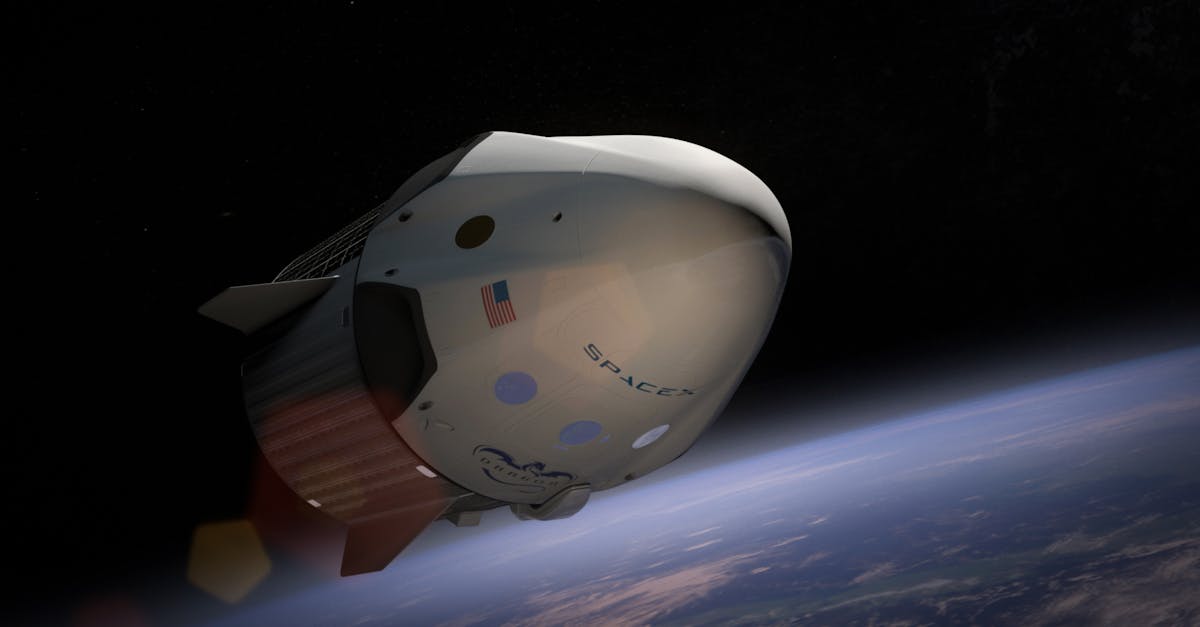
SpaceX's Crew Dragon spacecraft features a zero-gravity toilet that uses air flow to direct waste into a storage container. While the system is reliable, it has its limitations. The company is now working on a new system that will recycle urine into drinking water, a process known as "water recycling". This technology has the potential to greatly reduce the amount of water needed for long-duration space missions, and could even provide a source of drinking water for astronauts. The implications of this technology are significant, and could potentially change the way we think about space travel hygiene.
The European Space Agency's Rotating Drum Toilet
The European Space Agency (ESA) is developing a new toilet system that uses a rotating drum to separate liquids from solids. This system, known as the "Space Toilet", is an innovative approach to waste management that could potentially be used on long-duration space missions. The ESA is also exploring the use of microorganisms to break down organic waste, a process known as "anaerobic digestion". This technology has the potential to greatly reduce the amount of waste that needs to be stored on long-duration space missions, and could even provide a source of energy for the spacecraft.
The Connection to Other Industries
The development of space toilets has non-obvious connections to other industries, such as wastewater treatment and industrial hygiene. Companies such as DuPont and 3M are providing expertise and materials to support the development of advanced space toilet technologies. This collaboration between space agencies and private companies is a testament to the power of innovation and the importance of interdisciplinary research. By leveraging the expertise and resources of these companies, we can develop more efficient and reliable space toilets that will enable us to sustain human life in space for longer periods of time.
The Real Problem: It's Not Just About the Toilet
While the toilet system is an essential component of a long-duration space mission, it's not the only challenge that needs to be addressed. The real problem is the lack of understanding about the human body's response to microgravity environments. As we venture further into space, we're beginning to realize that the effects of microgravity on the human body are not yet fully understood. This lack of understanding has significant implications for space travel hygiene, and highlights the need for more research into the human body's response to microgravity environments.
What Most People Get Wrong
Most people assume that the biggest challenge of space toilets is the lack of gravity, but that's not entirely true. The biggest challenge is actually the lack of water. In microgravity environments, water is not only essential for drinking, but also for hygiene and waste management. The lack of water makes it difficult to maintain a clean and healthy environment, and highlights the need for more efficient and reliable toilet systems. This is where companies like SpaceX and the ESA come in – they're working on developing new technologies that can recycle water and reduce waste, making it possible to sustain human life in space for longer periods of time.
Conclusion: The Importance of Space Toilets
As we continue to push the boundaries of space exploration, the need for reliable and efficient space toilets has become increasingly important. The development of new toilet systems is not just a nicety, but a necessity for sustaining human life in space. By leveraging the expertise and resources of companies like DuPont and 3M, we can develop more efficient and reliable space toilets that will enable us to venture further into space. The key takeaway is that space toilets are not just a component of a space mission, but a critical aspect of sustaining human life in space. As we look to the future of space exploration, it's essential that we prioritize the development of reliable and efficient space toilets.
Actionable Recommendation: Invest in Space Toilets
The development of space toilets is a critical aspect of long-duration space missions. As we continue to push the boundaries of space exploration, it's essential that we prioritize the development of reliable and efficient space toilets. The key takeaway is that space toilets are not just a nicety, but a necessity for sustaining human life in space. I recommend that space agencies and private companies invest in the development of advanced space toilet technologies, and prioritize the use of water recycling and closed-loop life support systems. By doing so, we can ensure that we have a reliable and efficient toilet system that will enable us to sustain human life in space for longer periods of time.
💡 Key Takeaways
- **Space Toilets: The Unlikely Key to Long-Duration Space Missions**...
- $1.
- The key takeaway: Space toilets are not just a nicety, but a necessity for long-duration space missions.
Ask AI About This Topic
Get instant answers trained on this exact article.
Frequently Asked Questions
Marcus Hale
Community MemberAn active community contributor shaping discussions on Space Exploration.
You Might Also Like

Enjoying this story?
Get more in your inbox
Join 12,000+ readers who get the best stories delivered daily.
Subscribe to The Stack Stories →Marcus Hale
Community MemberAn active community contributor shaping discussions on Space Exploration.
The Stack Stories
One thoughtful read, every Tuesday.


Responses
Join the conversation
You need to log in to read or write responses.
No responses yet. Be the first to share your thoughts!